


Whether you’re feeling low energy, irritable, or vacationing with tummy troubles (remember my Europe backpacking story from part 1?), most of us can use some extra support when it comes to digestion to help us feel like our best selves.
With 95% of Americans not getting enough fiber due to a high intake of processed foods and refined grains1, odds are you might not be getting enough of it.
But here’s the good news. Incorporating more of the good, nourishing foods doesn’t have to be complicated. Some of the best ways you can support your gut and overall health are in the small habits you choose to partake in.
Jasmin D the RD and I have teamed up to share the small ways we incorporate fiber into our daily lives. This has made a huge overall impact in supporting healthy digestion, helping us to feel more energized!
Before you get into part 2, save part 1 so you can download the fiber-rich foods list and fiber tracker to help make it easier for you to get your fiber in. 2

8 easy ways to eat the right amount of fiber
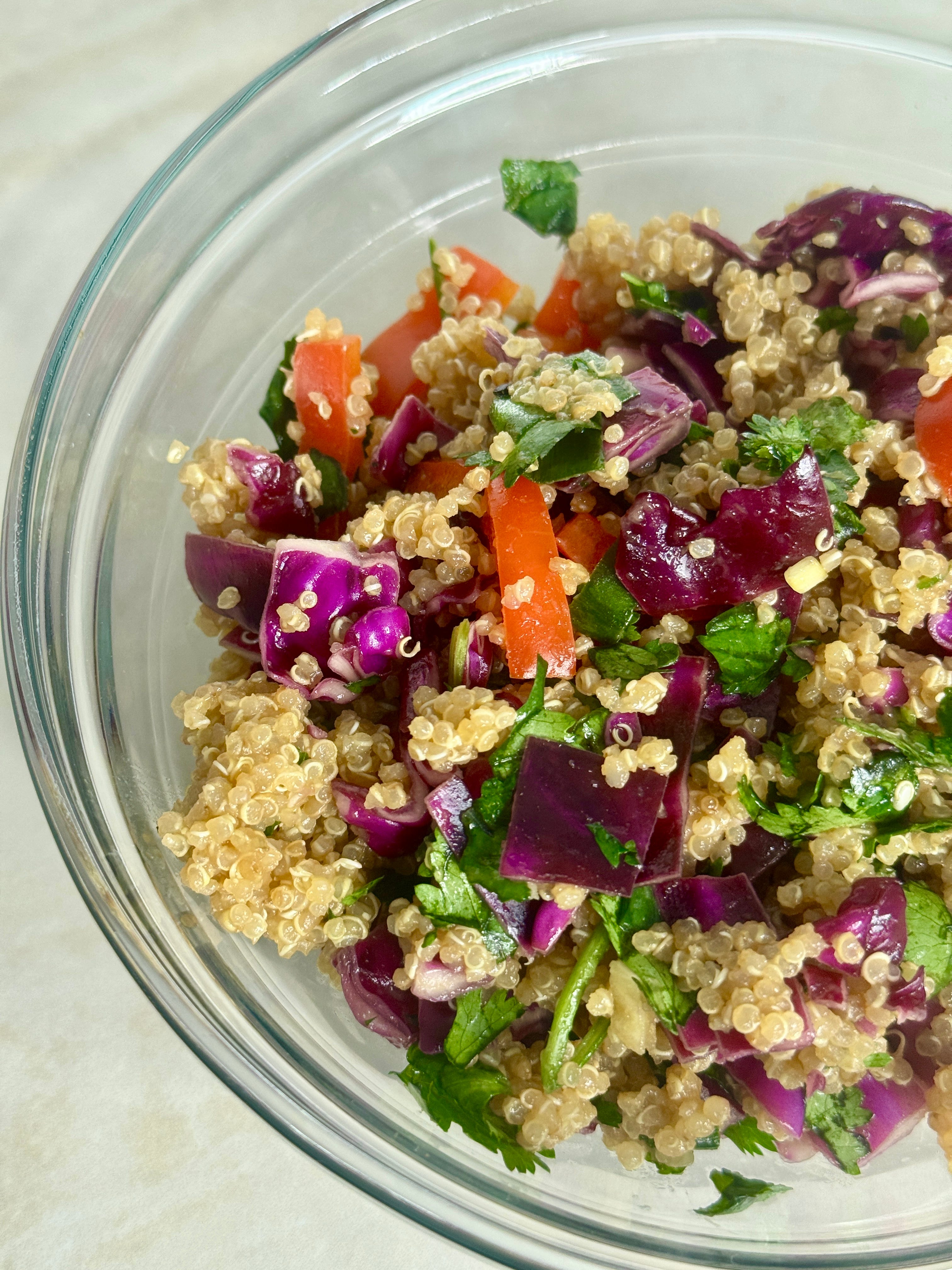
While it’s important to get in enough fiber to support a flourishing gut, there’s no need to neglect other food groups completely — quality protein, fiber-rich carbohydrates, and healthy fats come together to make a meal that is balanced, nourishing, and delicious!
As Jasmin D the RD says, “you can enjoy low fiber foods too — just because some plants are lower in fiber (i.e. tomato, cucumber, celery, lettuce, arugula) does not mean you shouldn’t be having them. They still contain polyphenols and antioxidants that are key for our health and well being.”
1. Get creative & try new things
What could you add to your plate to make it more balanced? Could you pair something unique together?
J: I add slices of apple, berries, and peaches to my avocado toast plate for an extra boost of fiber! The next time you’re at the grocery store, intentionally pick up a new veggie or fruit and try to make a recipe with it. This is how you get creative in the kitchen WHILE increasing your gut diversity (the more color and more diversity, the healthier your gut is!)
G: I love to add a bit of nuts & seeds to every meal, whether it be overnight oats, a gluten-free pasta, or even a greens & grains bowl. Chia seeds are one that I don’t think we eat enough of, but they have 10 g of fiber per 2 Tbsp serving.
2. Make beans your friend
Don’t underestimate the power of beans! They are one of the highest sources of fiber.
J: I could be in the mood for chicken salad for lunch and I’ll add ½ cup of edamame to boost my fiber intake. I could take a simple chicken salad recipe (with celery, grapes, walnuts) that has 4 grams of fiber to a whopping 12 grams of fiber by adding in edamame.
G: Blending up chickpeas for a creamy hummus is one of my favorite ways to doll up a dish with an extra boost of fiber. This parsley hummus has been my go-to lately.
3. Use your frozen produce
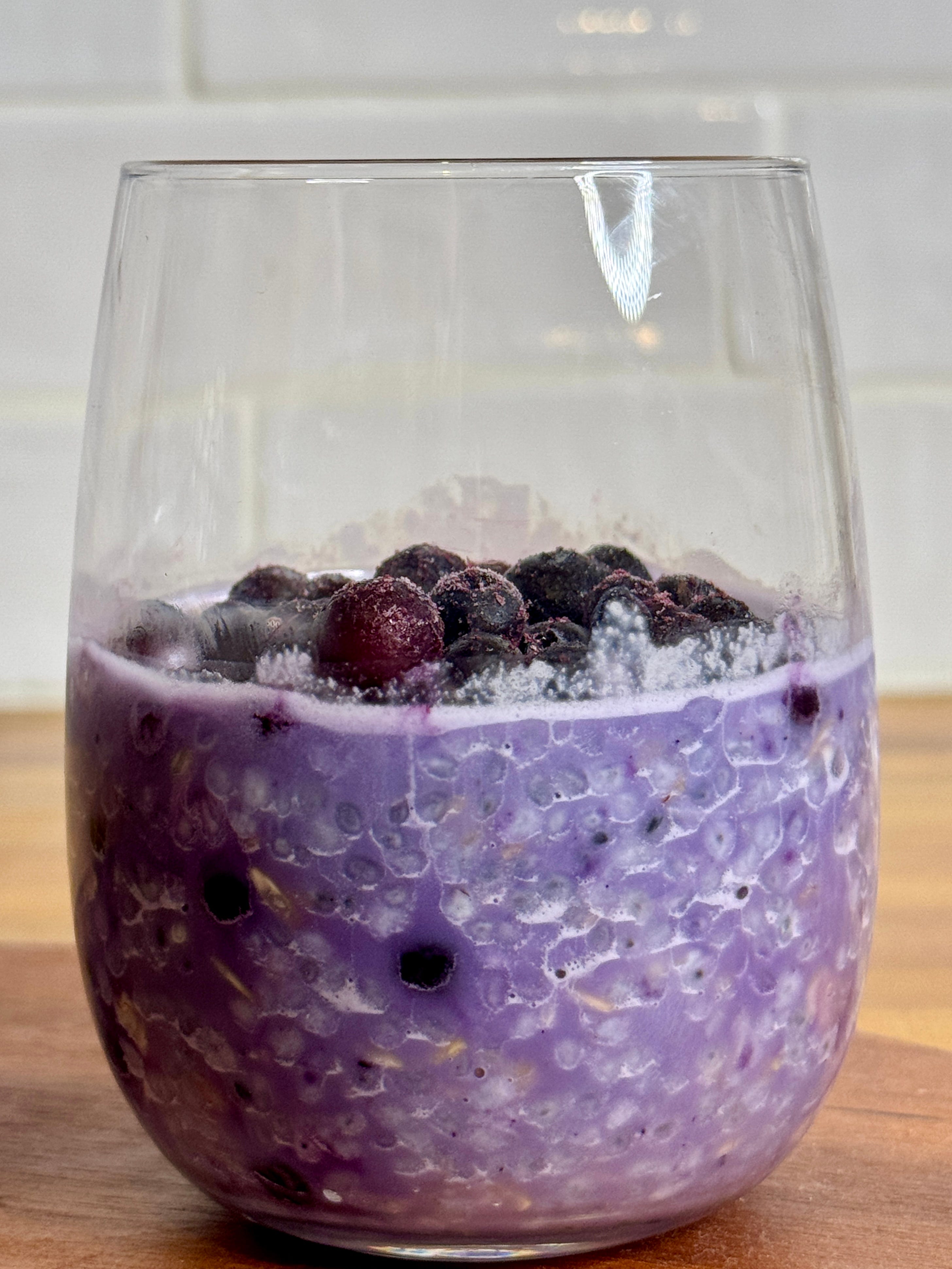
J: Frozen produce still counts for fiber intake! And buying them wholesale from Costco, BJ’s, or Sam’s Club can reduce your grocery bills while encouraging you to increase your fiber intake.
G: Frozen fruit and veggies always seem to be more affordable, and often get thrown into a smoothie or right on top of breakfast.
Fun fact: Blending up berries can actually release even more fiber, with all of the seeds which has been shown to increase the availability of nutrients and fiber to your body.
4. Start slow and small
J: If you know you’re only hitting 10 grams of a day, nobody is telling you to hit 30 grams by tomorrow. Work your way up to avoid digestive discomfort.
G: Instead of trying to pack all the fiber into one meal, I’ve found that spreading it throughout the day really helps me. Berries with breakfast, beans with lunch, an energy ball with seeds for an afternoon snack, and lots of veggies on my dinner plate.
5. Bring your fiber while traveling
J: Your circadian rhythms can be disrupted when you travel, which can affect digestion. I recommend a high quality fiber supplement like Yerba Prima.
G: As you read from the intro, a few years ago I really struggled with this. Now, I carry this hydration pack, bring along these quality protein bars, and try to order fiber-rich foods whenever I can to help me stay on track. I also take this probiotic every day (including travel) to support my gut.
6. Drink lots of water

Staying hydrated can greatly support you as you work towards your fiber goals.
J: How do you expect the fiber to gently and easily move down and make it out? Proper fluid intake is key!
G: The most effective way to stay hydrated is to drink water before you even think about getting thirsty. Make it a habit — Start your day with a cup of water before coffee. I prefer to drink mine warm with fresh lemon.
7. Enjoy your prebiotics
Prebiotics are the food for your already existing gut bacteria in your colon (probiotics). The more we nourish our probiotics, the more they can multiply and create a healthier gut microbiome.
Prebiotics include: garlic, onion, banana, artichokes, apples, oats, leeks, and asparagus.
8. Keep the skin on
Skin-on produce is a good source of insoluble fiber, which is going to support moving and help you GO.
J: I personally love kiwis and always enjoy them with the skin on!
G: Salmon, apples, and sweet potatoes are three foods that I always enjoy with the skin on to give an extra boost to my gut.
The truth about fiber-maxxing
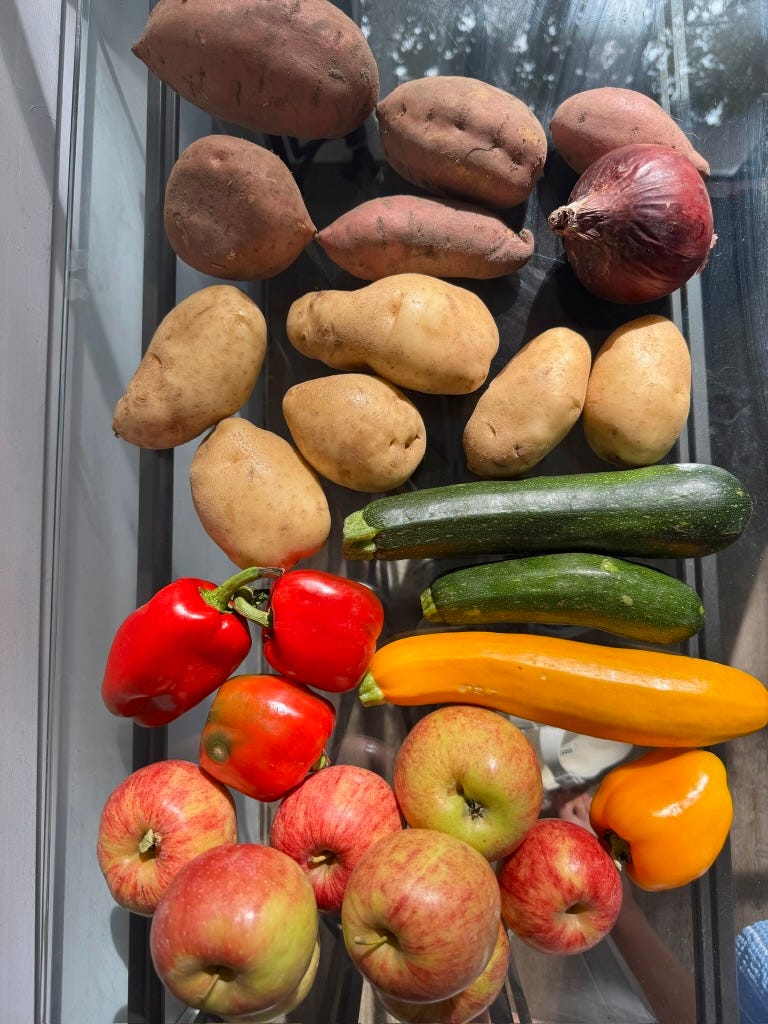
If you haven’t heard of it, this health and wellness trend emphasizes increasing your daily fiber intake (aiming for over 25-30g daily) to improve digestive health, satiety, and metabolic function.
Before we wrap up this week’s deep dive on fiber, I really wanted to hear Jasmin D the RD’s take on fiber-maxxing:
“It’s an awesome trend, with fiber having endless benefits — from supporting a quality bowel movement, to reducing cholesterol levels, to feeding our gut bacteria (probiotics).
But, nutrition is therapeutic and it is personalized.
Though everyone could benefit from fiber, there are different medical scenarios (ex: Crohn’s, food poisoning, diverticulitis flare ups) where too much fiber could negatively impact someone’s health.
It's a good reminder that nutrition advice online should always be taken with a grain of salt.”
This is just another reason why listening to your body is so valuable for your overall health. Your inner-knowing is one of the most valuable health tools you have.
The value of incorporating fiber into every meal
If you’ve ever struggled with gassiness, diarrhea, constipation, indigestion, bloating, etc, fiber might not be the enemy you think it is.
When it comes to adding in more fiber, the key is to start slow and small, like progressive overload when weightlifting at the gym.
Now that you have the tools to support your gut and overall health, remember, small choices add up faster than you think. And once you start to experience the benefits of a flourishing gut, you’ll never want to go back.
What comes next?
Stay tuned for this Saturday’s gut-healthy meal plan for paid subscribers of the Grace & Greens community.
You’ll get 5 simple and nourishing recipes with a prep guide and grocery list to help you eat more fiber and feel more energized! Plus, gain access to 200+ whole foods recipes, downloadable habit trackers, and more resources to help you live your most nourished life.
Wishing you a joyful week ahead,
Grace Barker & Jasmin D the RD
P.S. Would you give this post a ❤️ and 🔄 if you found it valuable? It helps more people discover Grace & Greens, so they too can live healthier, more nourished lives!
🥬Get tailored support to achieve your health goals
🥬 Access community-member exclusives: meal plans, habit trackers, and more
🥬 View the recipe box for nourishing, whole food recipes
🥬 Check out what I'm cooking in the kitchen this week
🥬 Do you have these kitchen essentials?


https://pmc.ncbi.nlm.nih.gov/articles/PMC6124841/