


We were approaching week two of backpacking through Europe, relying mostly on restaurant food, protein bars with ingredients we couldn’t pronounce, and far less water than usual to keep us going. At this point in the trip, we were all very comfortable with each other, and aware of everyone’s current digestion state — stagnant.
Energy levels were down, irritability increased, and the fact that we were traveling through Europe post graduation with no obligations was the morale boost we leaned on to keep going.
Desperate for a change, we slowed down for a day to relax, enjoy a nourishing meal with lots of fresh produce, and rehydrate. It probably sounds small, or normal even.
But this is exactly what many of us in the group needed to restart our digestive systems and reclaim our energy.
I’m sure you’ve been there — a vacation where you can’t use the bathroom, or a stressful season where your digestion feels out of whack. You’re left feeling sluggish, your skin is breaking out, you’re tired, or simply don’t feel your best.
Fiber isn’t the only answer, but it’s a great place to start if you’re struggling with low energy, mood swings, and poor digestion.

An expert’s take on fiber
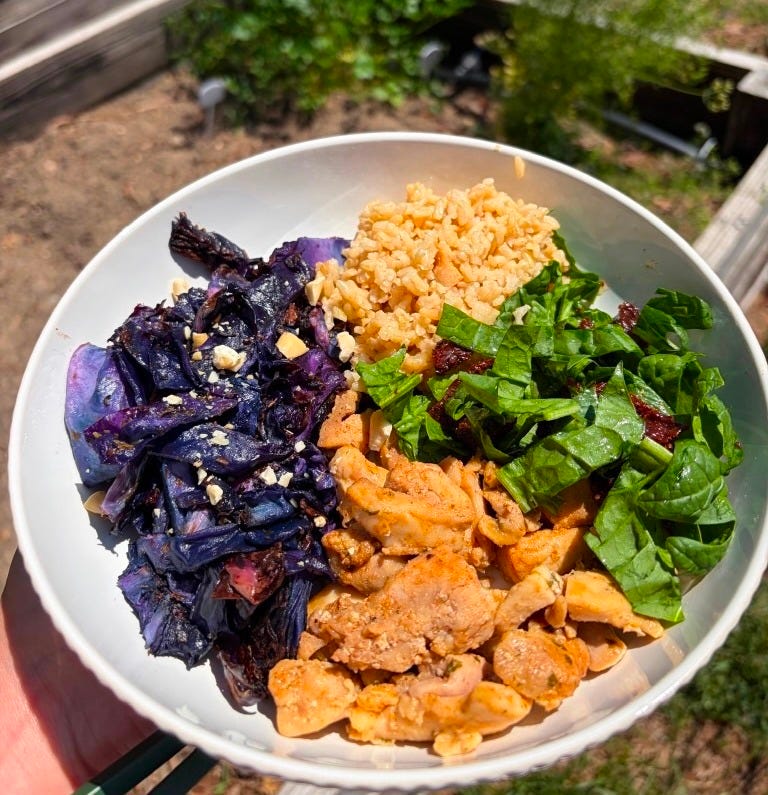
This week, I teamed up with Jasmin D the RD, who is also a lover of a colorful plate and a registered dietitian specializing in gut health!
After her own struggle with severe gut issues, she navigated a year-long healing process with a dietician. This transformation unlocked more than just energy and a balanced mood, but it also helped her discover her true calling. Three years later, she graduated and is now a proud Registered Dietitian Nutritionist with a passion for sharing all things gut health.
We’re answering your burning questions about gut health — why it matters, how to know if you’re getting enough of it, the truth about fiber-maxxing, and the easy ways we incorporate more fiber into a busy schedule.
There is so much to cover that we're bringing this to you in two parts — starting today with the foundations of fiber, and then tomorrow with 8 easy ways to eat more of it without feeling bloated.
If you’re struggling with digestion issues, navigating dietary restrictions, balancing a busy schedule or simply want to eat more whole foods and reclaim your energy, this is for you! 1
Your gut impacts everything
After my own struggle with balancing my hormones and learning to steward my health well through nourishment, I realized just how much gut health plays a role in stress levels, mood, and even how I show up on a daily basis.
Jasmin D the RD likes to say that “our guts are the center of our universe — gut health impacts every system in our body, including:
Without optimal gut health, we’re neglecting every other system in our body too.”
By incorporating a variety of nourishing, whole foods, you’ll be well on your way to supporting a more flourishing gut.
You just might be surprised by how much fiber is in foods you already know and love (shout out, edamame!)
Where does fiber come from?
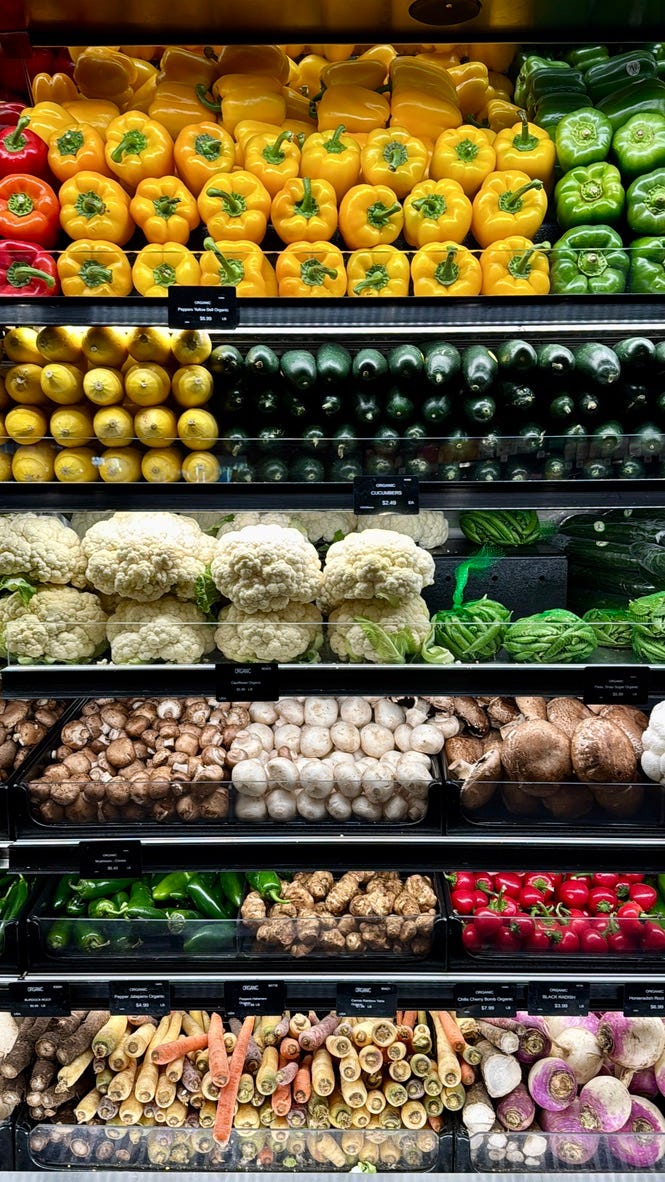
“Fiber is a carbohydrate found in fruits, vegetables, whole grains, and legumes—and there are two types: soluble and insoluble.
Soluble fiber
Dissolves in water to form a gel-like substance, which helps slow down digestion.
This slower movement can stabilize blood sugar levels and help you feel fuller for longer.
Insoluble fiber
Does not dissolve in water. It adds bulk to the stool and moves quickly through the digestive tract, promoting regular and healthy bowel movements.
Think of this as the type that helps you poop in your times of trial.
Having a healthy mix of both fiber types helps our body function to the best of its ability and helps your gut live its best life!”
The benefits of fiber
Here are some of the biggest benefits of fiber according to Jasmin D the RD:
Lowers the risk of heart disease
Soluble fiber slows digestion, which in turn slows the absorption of cholesterol, lowering its levels in the body.
It binds to cholesterol in your digestive tract and carries it out when you poop, lowering the risk of heart disease.
Lowers blood sugar
The slowed digestion provided by soluble fiber also slows the uptake of sugars in the body, stabilizing blood sugar levels.
Promotes a healthy weight
Fiber slows digestion, which helps you feel fuller longer.
This helps you feel satisfied, often leading to less overeating.
Promotes a healthy gut:
Fermented fiber acts as “good” bacteria for the gut and helps to create a healthy and flourishing environment.
When this bacteria ferments with prebiotic fiber, it produces short-chain fatty acids, which strengthens the gut’s lining, promoting immunity, and providing much-needed energy to our cells.
Insoluble fiber increases gut motility by bulking up the stool to help keep things moving along.
Are you eating enough fiber?
While there are so many benefits to fiber, shockingly 95% of Americans don’t get enough! But, how do you know if you fall into that group?
Check out this daily fiber goal chart to see if you are getting enough fiber in:

Fiber-rich foods organized by category:
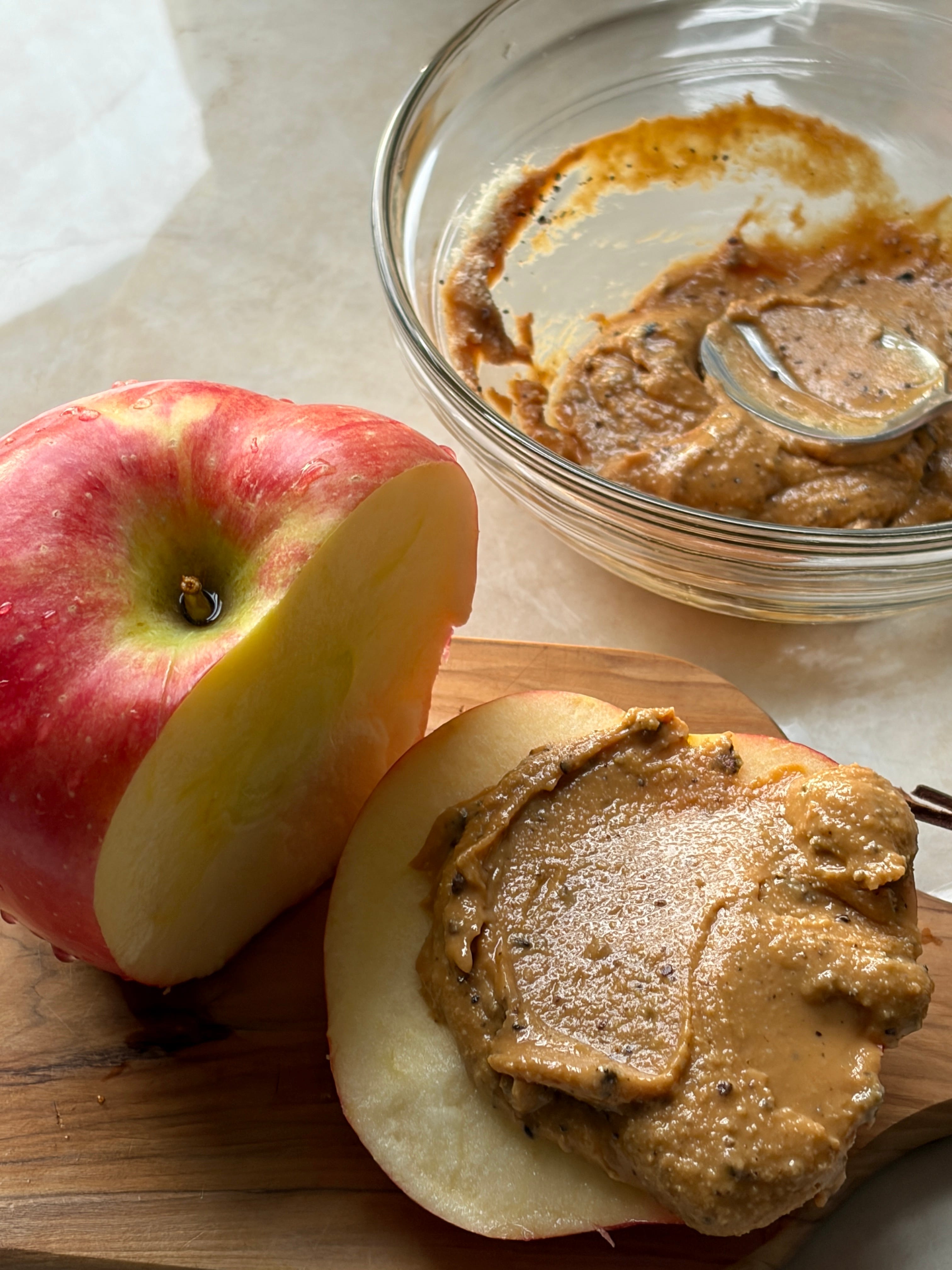
Avocado – 10g per cup
Apple – 5g (1 medium)
Broccoli – 5g per cup
Almonds – 3.5g per oz
Edamame – 8g per cup
Spinach – 4g per cup
Quinoa – 5g per cup (cooked)
Can I eat fiber if I have dietary restrictions?
Whether you’re gluten-free, dairy-free, vegan, or navigating another dietary restriction, there’s good news when it comes to eating fiber! Since it’s a carbohydrate found in fruits, vegetables, nuts, seeds, legumes, many fiber-rich foods work well with a variety of dietary preferences.
For the gluten-free community, there are some grains that are naturally gluten-free with a boost of fiber including rice, quinoa, buckwheat, and gluten-free oats.
Eating fiber is for everyone, but choosing a variety and diversity that goes well with your body’s needs will be the most optimal for overall health and thriving.
Track your fiber — free download!
Here's a full list of fiber-rich foods you may already have in your kitchen, plus a tracker to help you see if you are meeting the recommended fiber intake:

What comes next?
Stay tuned for part 2 of this fiber-fueled series, where we’re sharing everything you need to know about fiber — the truth about fiber-maxxing and the easy ways we incorporate more fiber into a busy schedule.
Eating more fiber doesn’t have to be complicated, and with a few small tips & tricks you can get to eating more fiber and having better digestion in no time.
Be sure you’re subscribed so you get it delivered right to your inbox.
Wishing you a fiber-fueled week ahead,
Grace Barker & Jasmin D the RD
P.S. Would you give this post a ❤️ and 🔄 if you found it valuable? It helps more people discover Grace & Greens, so they too can live healthier, more nourished lives!
🥬Get tailored support to achieve your health goals
🥬 Access community-member exclusives: meal plans, habit trackers, and more
🥬 View the recipe box for nourishing, whole food recipes
🥬 Check out what I'm cooking in the kitchen this week
🥬 Do you have these kitchen essentials?
This was so fun, Grace! Excited for all of the questions and part 2 tomorrow.
Loving this collab