


Maybe it’s the famous $19 strawberry from Erewhon or the fact that everything organic seems to be priced 2x as much that has many people believing that eating healthy has to be expensive.
I’m all about a nourishing and delicious meal, but does it really have to come at the sacrifice of blowing your monthly food budget or having to eat bland meals every day?
No, it doesn’t! I’m confident you can enjoy delicious, nutrient-packed meals that cost a fraction of your favorite restaurants, without sacrificing on flavor or nourishment!1
While I fully believe that health is an investment, from quality ingredients to time spent cooking, you don’t have to completely disregard your monthly budget to eat meals that are both nourishing & delicious!
Oh, and did I mention it’s probably faster than the time it would take you to order, drive to the restaurant, and pick up your slightly cold food? Seriously, my husband and I tested it one day…. can you guess who won :)
While I love eating out at a restaurant, there’s something wonderful that happens when you cook a meal at home — both for your budget and your nourishment. And even the easiest meals deserve to be enjoyable!
With the cost of food going up as quickly as gas prices, in today’s post I’m sharing:
5 hidden habits that are more costly than you might think and what to do instead
The small ways I save on food, without sacrificing nourishment or flavor
How I build a monthly grocery budget and stick to it (plus a downloadable resource for you!)

5 hidden habits that are more costly than you might think
If you’ve made the shift to purchasing more nourishing, whole foods but still haven’t seen an impact on your budget just yet, this might be why.
1) Eating out adds up
With a busy schedule or little planning about what to eat heading into the week, it’s easy to rely on grabbing take out (even healthy take out) to speed up meal time.
While it seems easier in the moment, the costs can add up quickly, especially if you’ve already gone grocery shopping and purchased a variety of quality ingredients.
We’ve cut down to eating out once a weekend as a treat, unless we’re traveling! It’s been fun to recreate some take-out favorites at home, like these CAVA bowls and Chick-fil-A at home.
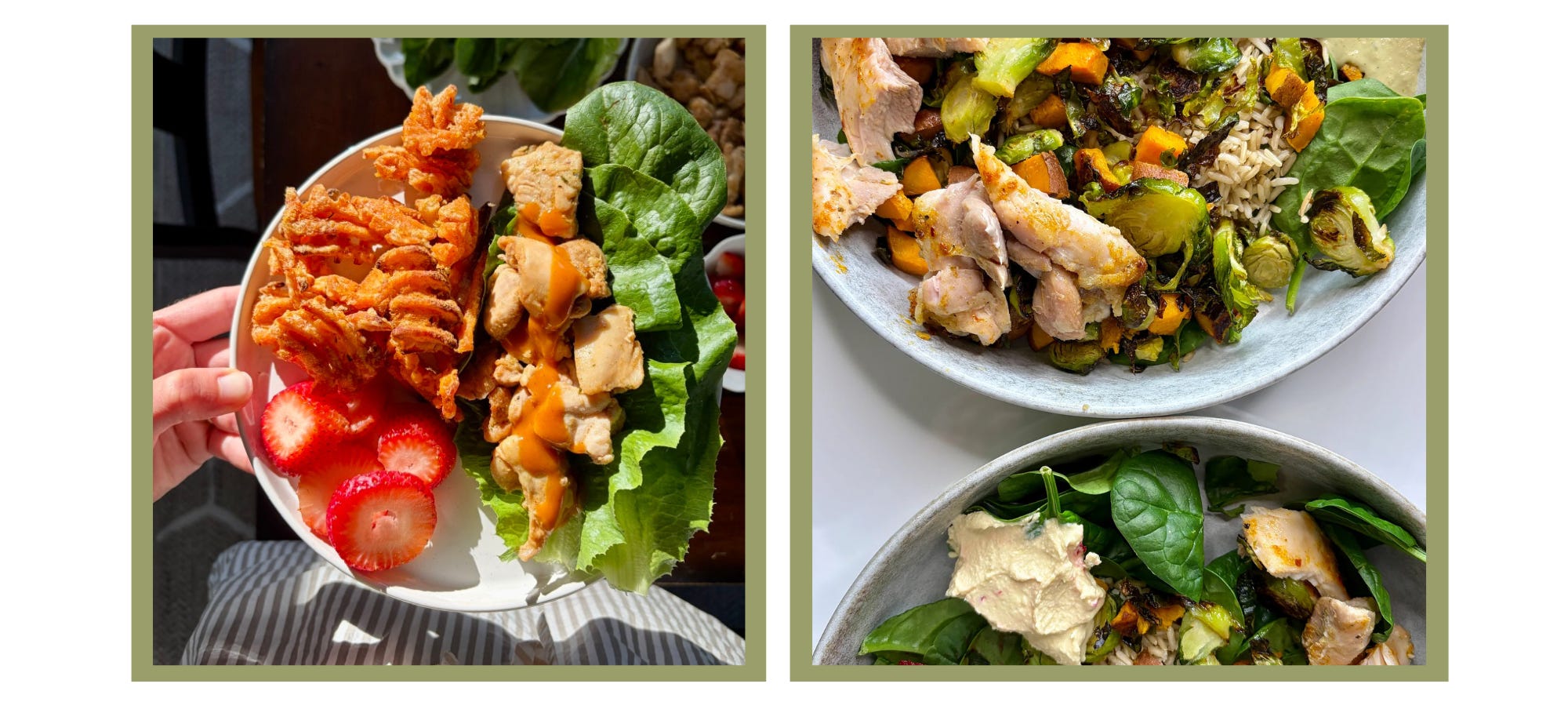
The more you normalize eating at home and using up the ingredients you already have, the more you’ll notice you’re within budget.
2) Food waste your budget away
Throwing away half a bag of unused spinach or the random sauce that you used for one recipe is one of the easiest ways to waste your monthly food budget.
Picking up random ingredients at the store, cooking without a plan, or simply opting to eat out instead often leads to spoiled food that ends up right in the trash.
But, a little meal planning ahead of time goes a long way.
I set aside time each week to determine what we’re having. With a calendar in hand, I’m able to plan around work events, group gatherings, and other things that may change meal time plans. This small act has made a huge difference in knowing what I actually need, leading to less unnecessary purchases and more money saved.
When you eat at home more often and have a plan, you might even notice yourself enjoying the cooking process more.
And, you’ll be surprised by how much more you actually use the ingredients that you have. No more random bags of salad in the back of the crisper going bad before you can get to them!
3) Convenient isn’t always cost-efficient for your budget or your health
While the single-serve salad containers or the jumbo bag of protein chips seems like an easy option at the store, these purchases don’t offer the quality, nourishing meals that will support your long-term health goals.
Don’t be enticed by marketing — both of these “health” foods usually have far more ingredients than you’re led to believe. Plus, you’re going to be paying a premium for these low quality ingredients.
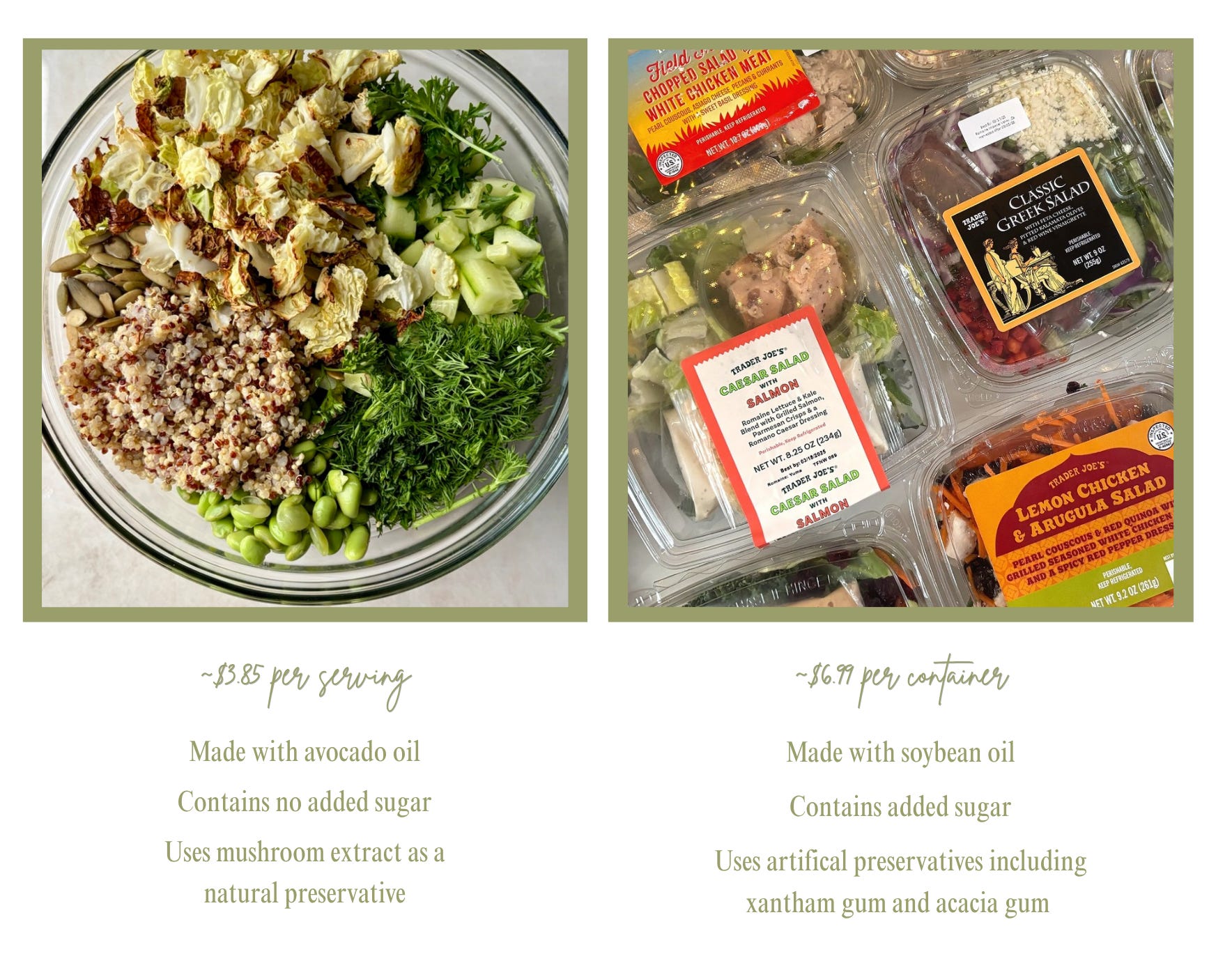
By taking a few extra minutes to prep a salad ahead of time (this is one of my favorites) with a seed-oil free dressing like this one or packing an apple and nut butter for a nourishing afternoon snack, you’ll save money and support your health.
For an extra boost of protein, I’ll make this dip to pair with my apples and it tastes just like cookie dough!
4) Is bulk really beneficial to your budget?
Large box stores can be inviting, but you can easily spend your entire monthly budget in one trip, with a long receipt and just a few jumbo items to prove it. Not to mention you can easily waste a whole pack of chicken sausage or mixed greens if you don’t look carefully at the best used by date. (been there, done that!)
Cost-per-serving is one of the biggest tools I use to determine when to buy in bulk and when to skip it. It’s best to shop for items in bulk that won’t go bad quickly — like rice, gluten-free pasta, and refrigerated sauces like this one.
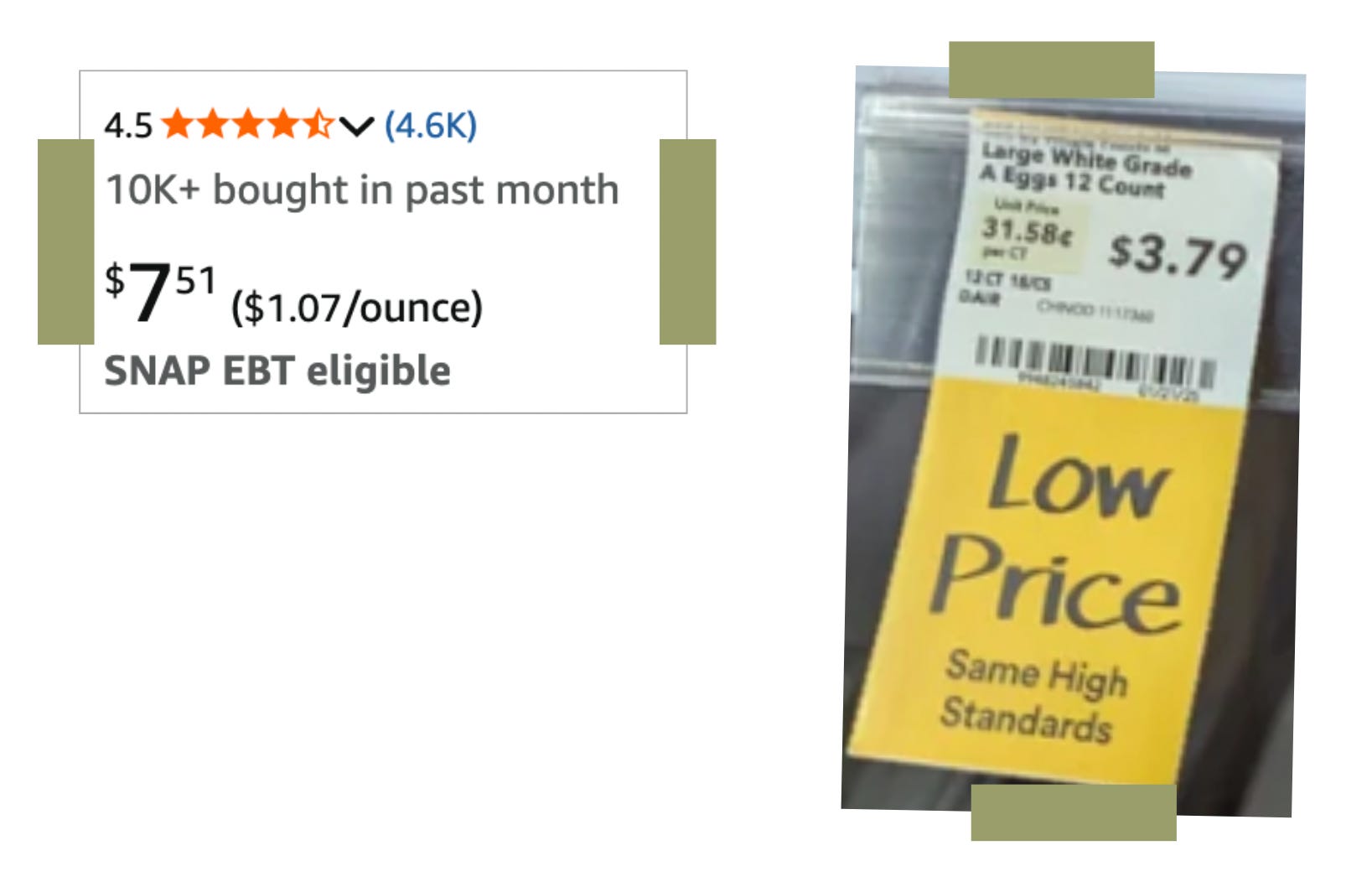
You can also look at the price tag of many products to see the ‘cost-per-serving’ or ‘unit price per count’ to understand if it’s even worth it to purchase in bulk. I’ll often opt for an 18-count of eggs versus 12 to get a better unit price, knowing we will eat all the eggs before they go bad.
5) Pre-cut ingredients aren’t cutting food costs
Healthy eating doesn’t have to be complicated or inconvenient, but it’s worth it to be strategic about when you purchase pre-prepped ingredients.
Pre-made salad kits, pre-marinated kebabs, or even pre-cut pineapple can be great when you don’t have time to prep ahead of time.
But, if you want to be more mindful of your budget, you’re better off to purchase the individual ingredients and prep it yourself.
For me, it’s worth buying pre-prepped for chicken sausages, gluten-free pizza crusts, and pre-peeled pomegranate.
Determine what makes sense to outsource and when to prep it yourself, there are times and reasons for both! The important part is that you are choosing mindfully, rather than simply letting the thrill of convenience drive your decisions.
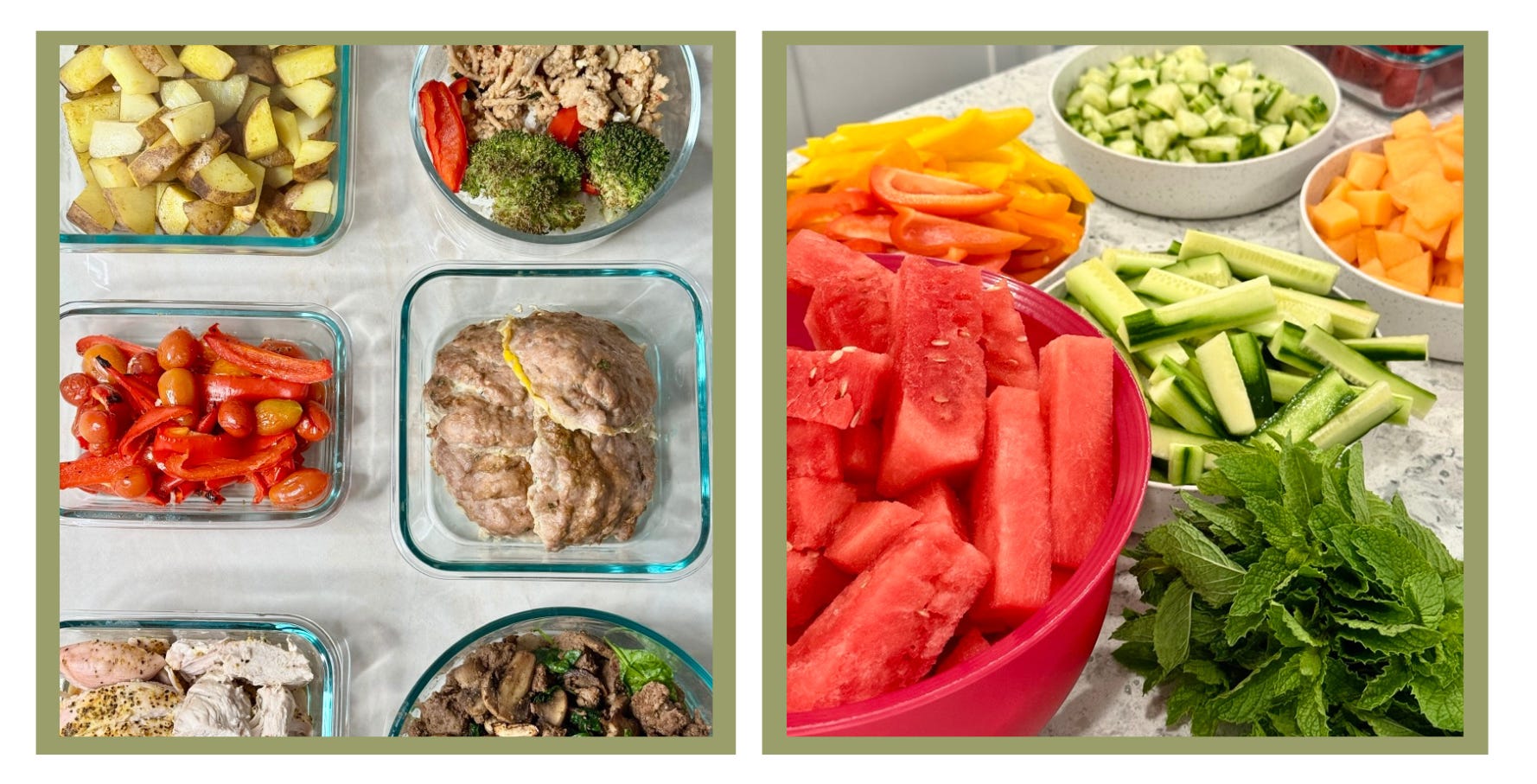
If you’re in a busy season or just don’t want to overthink what to eat this week, all paid community members have access to 75+ weekly meal plans with a grocery list, prep guide, and recipes to streamline this entire process for you!
The small ways I save on food, without sacrificing nourishment or flavor
Choosing nourishing, quality ingredients positively impacts your health — we know this. So, why is this the place we choose to cut corners when we’re stressed, exhausted, or busy?
The reality is, supporting our health physically is one of the very best things we can do during these times. But, choosing to support both your health and your family’s health doesn’t mean you have to overspend to eat nourishing meals or limit your meal to just chicken, rice, and broccoli every day.
Just like everything else in health and wellness, finding the balance is what’s going to be best — it’s more attainable, sustainable, and even enjoyable than any extremes will ever be.
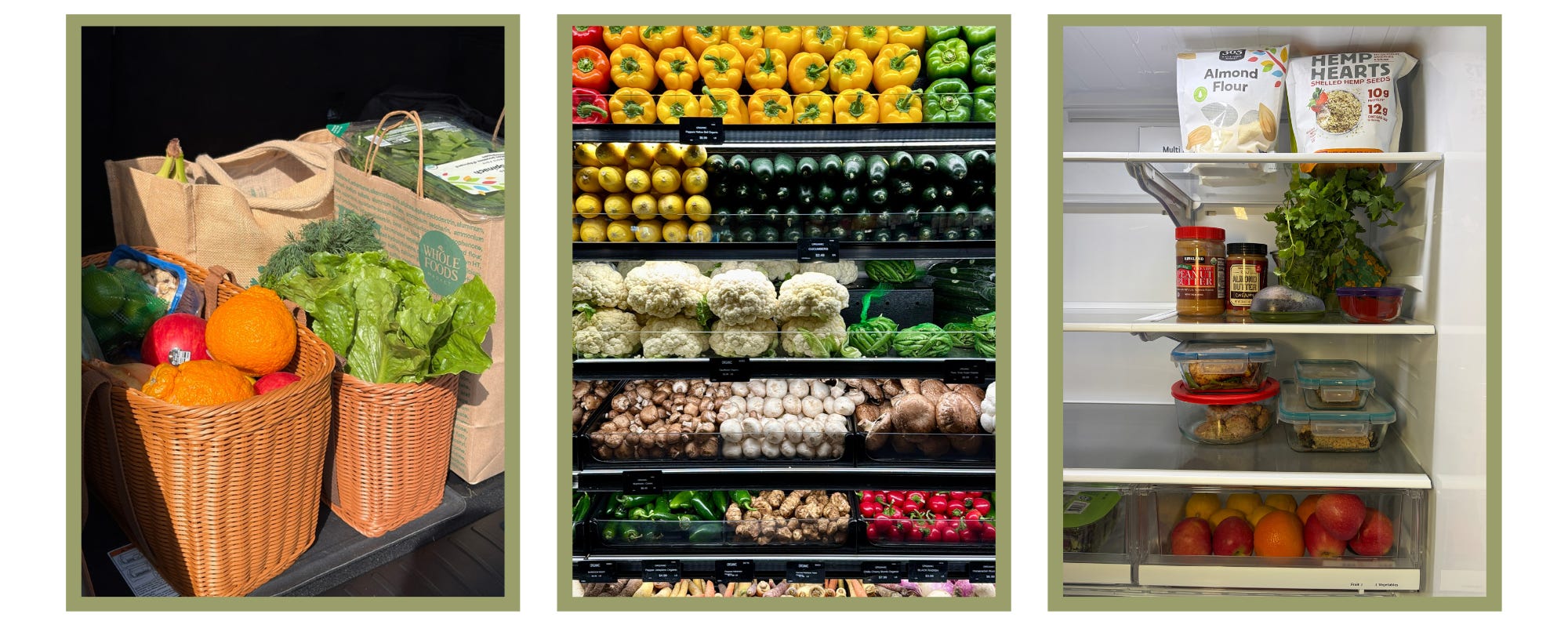
1) Regularly audit your pantry
By knowing what you have, you can be more strategic about what you purchase. Then, you can reallocate the funds to prioritize purchasing the things you love.
We love salmon at our house, so I’d much rather use up the frozen veggies and rice we have at home, and reallocate the extra funds to purchasing fresh salmon for a delicious meal.
2) Grocery shop with a plan
Speaking of strategic purchases, having a clear plan for the week can greatly help you stay on track both with your health goals and your budget goals.
3) Preserve ingredients to keep them fresher for longer
From mixed greens to avocados and herbs, when I buy quality ingredients, I want them to last. And without the added preservatives, I rely on my own preservation methods to ensure I get to them before they go bad.
You can check out my full process here.
4) Buy primarily whole ingredients over packaged snacks
In our house, packaged snacks are primarily used for traveling. For those times, I always invest in quality, balanced snacks like these and these protein bars.
Most days, snacks consist of fresh fruit paired with this nut butter or prepped & ready snacks like these granola bars.
Be strategic about what snacks you purchase and when you use them, it will make a big impact on your grocery bill.
How I build a monthly grocery budget and stick to it
One of the most foolproof ways to stay on budget is to have a plan and follow it.
Whether you’re trying to save for vacation, improve your marathon time, or even get in more fiber, having a system for monitoring and checking in on that goal can help you stick to it!
How to decide on a monthly grocery budget
While everyone’s financial situation is slightly different, it can be helpful to set a monthly budget for what you want to spend on food.
With eating out being one of the biggest culprits for blowing right through your budget, I like to break down our food budget into two categories: groceries & eating out. From there, I set a realistic number for each based on what we spent the previous month.
Tips for sticking to your budget
Have a why behind it all — Do you want to save extra money for a big trip? Do you want to be a better steward of your finances? Do you want to eat more meals at home for your health?
Get on the same page — Whether you’re purchasing for a family or a partner, it’s helpful to get everyone on the same page. When you’re working towards the same goals, it’s far more achievable!
Set a clear plan at the beginning of the month — Look back at past credit card statements to get a better understanding of your spending habits on food. It’s best to take an average as a starting point for your monthly budget and adjust as needed based on your new goals.
Make it easy to track and keep up with — Set the tracker out where you’ll see it and fill it in each time you make a purchase. It takes less than a few minutes, and can make it easier to add up totals later on. After all, what you don’t measure you can’t manage.
Track your food budget & weekly meals — free download!
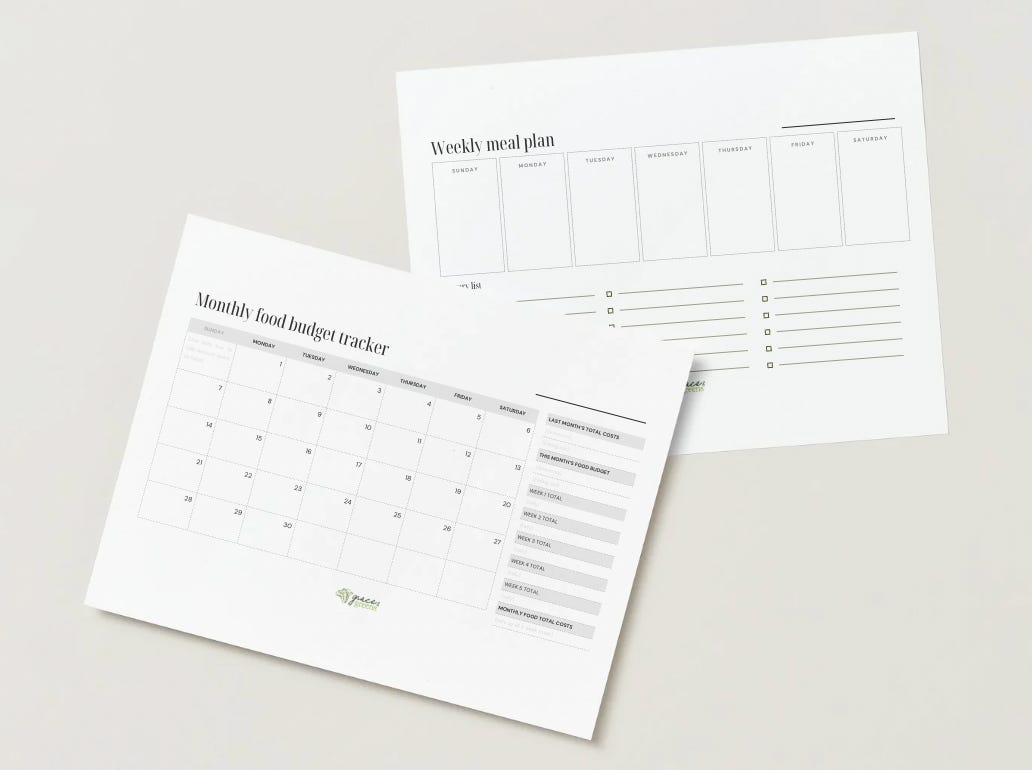
Here’s a monthly food budget tracker, plus a weekly meal plan template to help you stay organized and on budget for the upcoming month of June:

Grace & Greens is a newsletter for high-achieving women who refuse to choose between eating well and eating deliciously — and want meal inspiration that's simple, nourishing, and actually fits into a busy week. Paid subscribers get access to the full resource library, plus exclusive recipes and weekly meal plans.
What comes next?
Stay tuned for this Saturday’s grocery guide, where I’m sharing everything I cooked for our household of two this week — and what I did to make eating well a little easier, even on the busiest days.
And if you loved this week’s budget-focused newsletter, you’ll love what’s coming next week: 11 budget-friendly meals we eat on repeat, with the exact cost-per-serving breakdown.
Wishing you a joyful week ahead,
Grace Barker
P.S. Would you give this post a ❤️ or 🔄 if you found it valuable? It helps more people discover Grace & Greens, so they too can live healthier, more nourished lives!
If you liked this, you’ll love these


🥬 Work with me 1:1 — let’s build a plan that actually fits your life
🥬 More nourishing & delicious recipes
🥬 Shop my favorite kitchen essentials