


Choosing nourishment isn’t about chasing trends, but listening to your body
With an overwhelming amount of information online constantly telling you what to do for your health, something so wonderful as caring for your body can simply become a stressful item on your to do list.
I’ve definitely experienced this feeling, leading me to choose restrictiveness, thinking that was what being healthy was.
But, the reality is each of us is bio-individual and has our own unique needs. While there can be so much value in incorporating different tools to support your health, listening to your body throughout the process matters most.
So, what does listening to your body mean? And what are tools and structures you can put at place to support you in that process?
Welcome functional nutritionist, Erin Parekh
This week, I wanted to bring someone onto the newsletter who is well-versed in women’s health to give you an expert’s opinion on some of the hot topics right now fiber, energy levels, listening to your body, hormone health, and how they are all deeply intertwined.
Erin Parekh is a functional medicine nutritionist, women’s health strategist, wife, mom, and the writer behind The Art of Nourishment — a Substack publication I quite enjoy reading!
She is super passionate about women feeling confident in how they care for their bodies, sharing real-life structures and strategies to help! I’m so excited to share everything I learned from her during our time together.
In this week’s newsletter, here’s everything we’ll cover:
Defining nourishment so it works for your life instead of against it
How to listen to your body
4 key factors to supporting your energy levels
Eating enough, consistently for balanced hormones
Does fiber matter? And do you need more of it?
What a functional nutritionist eats in a day
Why front-loading protein is a functional nutritionist’s #1 healthy habit
Why you should stop assuming you need to do more
If you want to make the most of your reading experience, I highly recommend reading this in the app:

Nourishment should work for your life, not against it
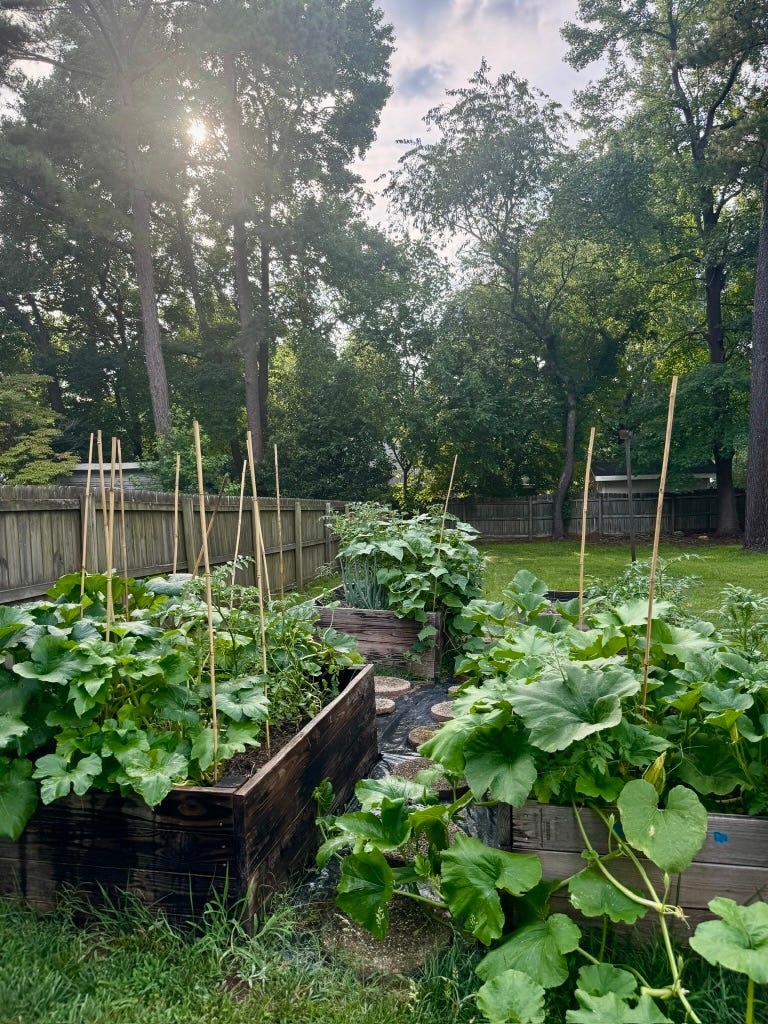
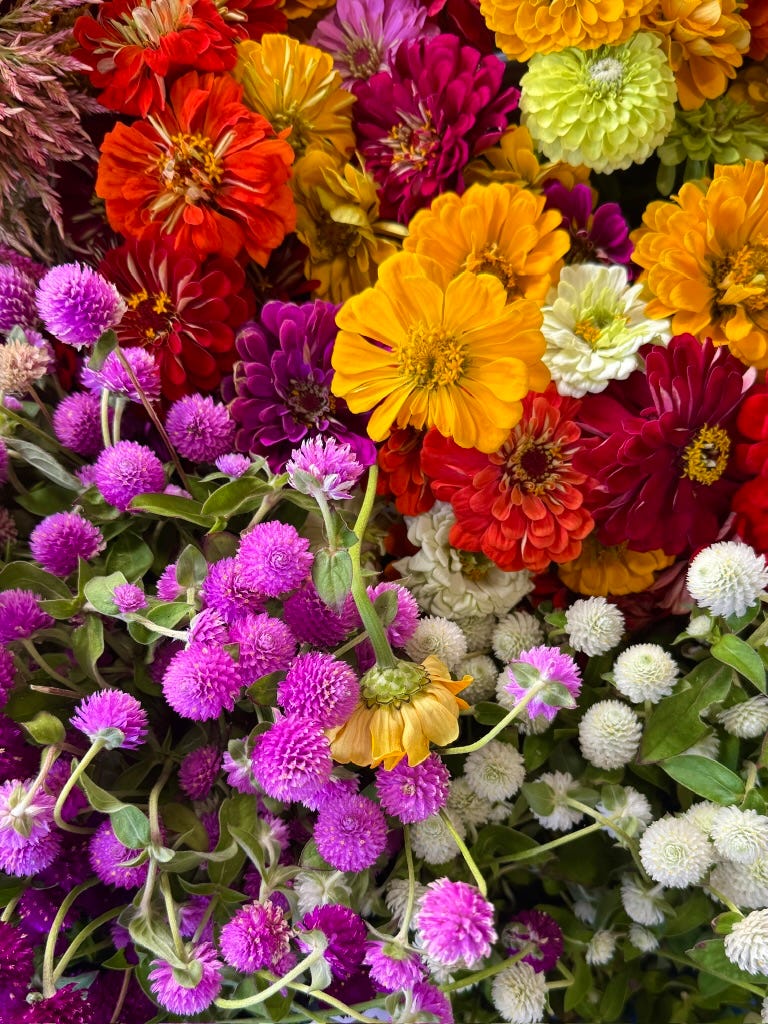
I often emphasize that health is far more than just physical, but mental, emotional, and spiritual too. Choosing nourishment is pouring into all of those areas, recognizing that you are a whole human with many needs. Just as a garden needs nourishment to flourish and thrive, you too need sunshine, water, food, love, and encouragement.
After inquiring about her definition of nourishment, Erin described it as “an art form— something we’re constantly curating and building into our lives. It’s not just what you eat; it’s how consistently your body is supported. Enough fuel, enough protein, enough rest, enough margin.”
If you still struggle with feeling like “being healthy” is about checking a box, we get it. Days our full and sometimes the quick fix can feel like the easier choice. But I love how Erin explains the goal of nourishment:
To add more joy to your life, not become another thing to manage.
What would it look like for you to approach loving and caring for yourself well as a joyful activity that you get to partake in?
How to listen to your body
While the concept of listening to your body makes a lot of sense, it can be quite difficult to do. Especially if you have dealt with years of listening to diet culture or pushing away your own thoughts because you felt like they were working against you.
Erin’s response to my question was phenomenal! Here’s what she said:
“Listening to your body isn’t about eating on impulse or ignoring structure.
It’s about noticing patterns—true hunger versus energy dips, stress eating versus under-fueling.
Many women lose clear hunger cues because their systems are dysregulated. I find that structured meal times and blood sugar balance often restore intuition rather than override it.”
4 key factors to supporting your energy levels
If you’re always feeling tired, yet struggling to go to sleep at night because you feel wide awake, odds are, something is up with your energy levels. It’s not you, but it’s your system that might be a bit dysregulated.
Interested in a functional medicine nutritionist perspective, I asked Erin what the biggest factors are that support energy levels. Here’s what she said:
Blood sugar balance is foundational—consistent meals with adequate protein and fiber.
Micronutrient sufficiency (iron, B vitamins, magnesium)
Circadian alignment (light exposure and sleep timing)
Overall nervous system load
By having consistent meals with adequate protein and fiber, eating a variety of foods, supporting a good night’s sleep, and managing stress, you can influence these factors to work for your energy levels instead of against them.
Eating enough, consistently for balanced hormones
After my own journey in balancing my hormones and getting my period back, I’m always searching for small ways to support my body well to stay in balance. I asked Erin what “low-hanging fruit” she recommends women to focus on to stay balanced in everyday life. Here’s what she said:
“Eat enough—and eat regularly.
Chronic under-fueling, skipped meals, or low protein intake sends a stress signal that disrupts hormones downstream. Consistent meals with protein, carbs, and fat often do more for hormone balance than most supplements ever will.”
I love that emphasis on consistency, balance, and supporting your body well throughout the day! This is where a little prep ahead of time goes along way.
3 tips to eat well even on the busiest of days
Prep breakfast ahead of time — If you follow along with the weekly meal plan, we always prep breakfast ahead of time to start the day off well with a protein and fiber-rich breakfast.
Carry a balanced snack on the go — While sitting down and eating 3 meals at around the same time each day is ideal, there are days when the schedule gets shifted. But, the good news is you’re flexible! By having a balanced snack with you on the go, you can ensure your blood sugar stays balanced and skip over the feelings of hanger until you can sit down for your next meal.
Have a dedicated easy meal — This has been such a game changer for me and my mental health!! I’ve chosen just a few ingredients to always have on hand, so that when I don’t have a meal prepped, I can pull them together for something nourishing & delicious in just a few minutes.
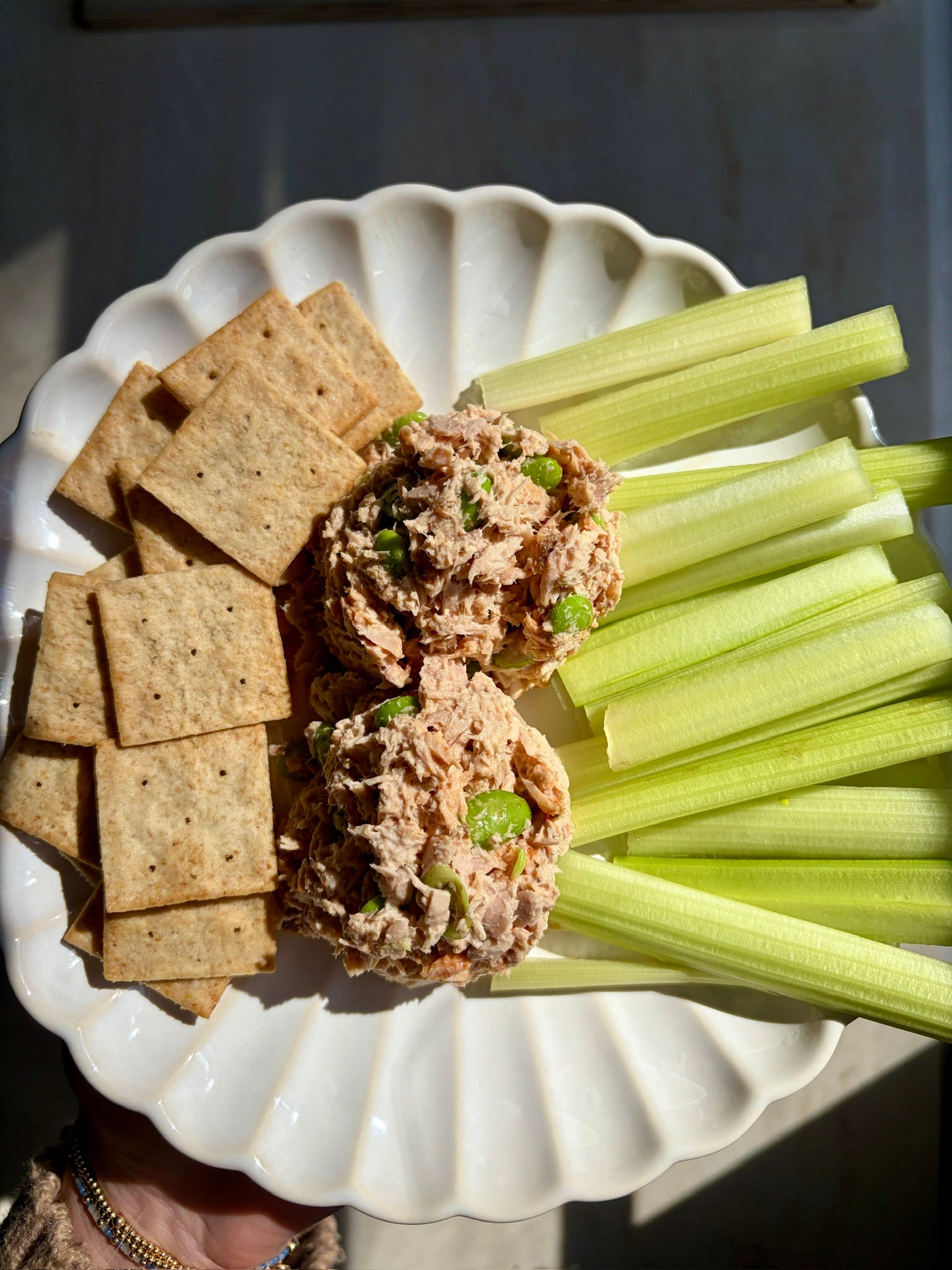
Right now, my go-to easy meal is a combination of canned tuna + spicy avocado mayo + sliced veggies + Simple Mills almond flour crackers.
Does fiber matter? And do you need more of it?
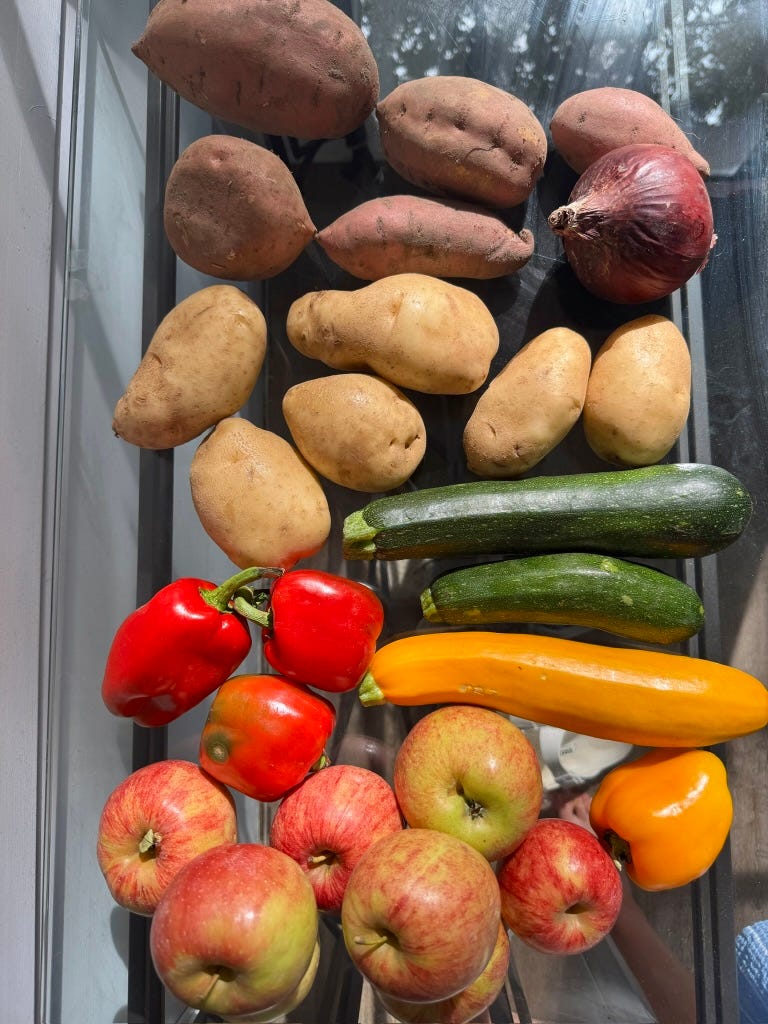
Just as I shared on last week’s live, there are constantly food trends that highlight one key nutrient which the internet tells us we must hyper fixate on.
I fully believe there is value in getting educated on the important nutrients that our body needs, but the variety of nutrients in our diet is what leads to health — not one single nutrient alone.
Fiber matters but context matters more
According to Erin Parekh, “Fiber matters, but context matters more. Most women would benefit from better fiber intake (more diversity, more soluble fiber, and more whole-food sources) rather than simply “more.””
“Fiber supports gut integrity, estrogen clearance, blood sugar stability, and satiety. I love challenging my clients to eat 30 different plant species per week. It’s a fun, practical way to ensure diversity and work toward that 35+ grams of fiber per day goal.”
5 plants high in fiber
Chia seeds ( about 10 g fiber per 2 tablespoons) — Try this chocolate cherry chia pudding or these no bake lemon chia protein balls
Raspberries with (about 8 g fiber per cup) — Try this Raspberry pistachio gluten-free pancake bake or this Pistachio raspberry basil seed pudding
Black beans with (about 15 g fiber per cooked cup) — Try this Ranchero breakfast casserole or this Peruvian chicken with roasted plantains
Oats (about 8 g fiber per cooked cup) — Try this Blueberry banana bread overnight oats or this Apple cinnamon baked oatmeal casserole
Quinoa (about 5 g fiber per cooked cup) — Try this cabbage crush quinoa salad or this Honey Dijon greens & grains bowl
What a functional nutritionist eats in a day
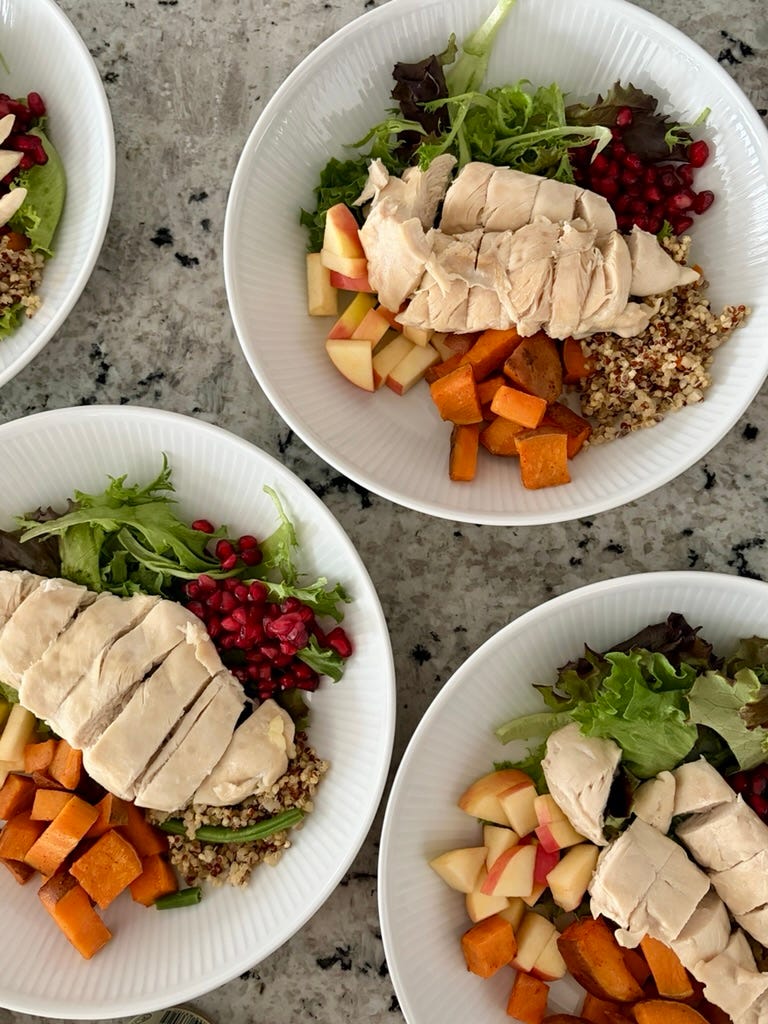
So curious about Erin’s habits of choosing nourishment with her meals, I asked her what her usual WIEIAD consists of.
Erin emphasized that while she doesn’t count macros, she does “aim for about 100–120 grams of protein per day and 35+ grams of fiber, which helps guide my choices without turning food into a math problem.”
I love this approach to balance and listening to the body, and I follow a similar pattern in my own daily eating!
Erin’s typical day of eating
Morning
A big glass of water, then coffee with creatine, collagen, and grass-fed half-and-half
Breakfast is lower-carb and protein-forward—usually eggs and/or Greek yogurt with berries and ground flax
Mid-day
A big salad with lots of vegetables, leftover dinner protein, and whatever extras I feel like adding from the fridge
Afternoon
Around 4pm, I’ll have a snack to power me through after-school activities—usually an apple with cheese or a handful of almonds. I try not to rely on protein bars, but I always keep one in my bag just in case.
Evening
A bowl with a protein, roasted veggies (broccoli, cauliflower, sweet potato), and sometimes a grain like quinoa, finished with an herby sauce
After dinner, I almost always have a piece of dark chocolate with a cup of herbal tea.
After this, I learning how much Erin loves a good sauce with a balanced plate, I shared two nourishing recipes with her that the Grace & Greens community has been loving lately — the Honey Dijon greens & grains bowl and the Pesto salmon with crispy potatoes!
I also love that Erin incorporates flax seeds daily! I too am a seed lover and have seen lots of benefits to my health from regularly enjoying them — You can read more here!
For more balanced and nourishing meal ideas, stay tuned for Grace’s grocery guide coming this Saturday to paid subscribers!
With a nourishing & delicious week of meals, a prep-ahead breakfast option, a grocery list, and a prep guide, this guide is making it easy for you to eat well and feel good without too much extra thought!
Why front-loading protein is a functional nutritionist’s #1 healthy habit
With habits being the biggest tool to helping you eat well and feel well, I couldn’t wrap up this interview without learning Erin’s top habit.
She shared “Front-loading protein early in the day” as her number one healthy habit.
“It stabilizes blood sugar, supports neurotransmitters, improves focus, and reduces late-day crashes. It’s unglamorous—and we hear it all the time—but it’s incredibly effective.”
Though it might not be glamorous, I completely agree — knocking out some big goals at the start of the day can make it so much easier to achieve them. Similar to why I make my bed every single day, the more you accomplish early in the day, the more likely you are going to accomplish the big things in your day too.
Stop assuming you need to do more
Erin has worked with many women, helping them to live their healthiest lives. Her biggest piece of advice:
“Stop assuming you need to do more. Most women need clearer structure, better inputs, and fewer competing rules. When you simplify and personalize, your body responds. And when your body feels supported, everything else gets easier.”
Nourishing produces flourishing. I say it often, but it’s so true! Once you start providing your body the love, care, and support it needs, the easier it will be for it to thrive in every day life.
Structure to support you well
I absolutely loved getting to learn from Erin and I hope you did too! From learning more about fiber and blood sugar balance to how to best support energy levels and balance hormones, the biggest takeaway we hope you got is this:
You already know exactly what your body needs. With a few structures and extra support, you can make nourishment work with your life instead of against it!
The Art of Nourishment
Go check out Erin’s publication, The Art of Nourishment, where she shares evidence-based insights, practical ways to think about structure for your health, and lifestyle choices to help support your body.
Eat well, feel well, live well
For more nourishing and delicious meals, stay tuned for Grace’s grocery guide, delivered to paid subscribers every Saturday.
With 5 easy dinner recipes, a prep-ahead breakfast, a grocery list, and optional prep guide, you’'ll have the structure you need to nourish your body well!
If you want full access, be sure to upgrade to an annual subscription today:
Wishing you a nourishing and joyful week ahead,
Grace Barker
P.S. Would you give this post a ❤️ or 🔄 if you found it valuable? It helps more people find me, so they too can live healthier, more nourished lives!
More from Grace & Greens


🥬 Access all community-exclusive recipes in The Recipe Box
🥬 Unlock all previous meal plans
🥬 Stay connected on social media